

From Mobile App to Enterprise Strategy at Grainger
I led the transformation of Grainger’s digital procurement experience amid intense market disruption. I first served as the UX Architect for the company's first iPad app, solving critical field-level bottlenecks. I then transitioned into a UX Planner role, where I conducted competitive research and stakeholder alignment to define Grainger's 18-month strategic roadmap in comparison to a new market entrant, Amazon Business.

Role
UX Architect to UX Planner
Industry
E-commerce; Maintenance, Repair, and Operations
Platforms
iPad, Enterprise Web
Tools & Methods
Design: Axure RP prototyping
Research: Card Sorting, Competitive Benchmarking
Strategy: 18-Month Product Roadmapping
Systems: Hybris E-commerce, Master Data Management (MDM)
Overview
The Problem
Grainger's procurement process faced two critical friction points:
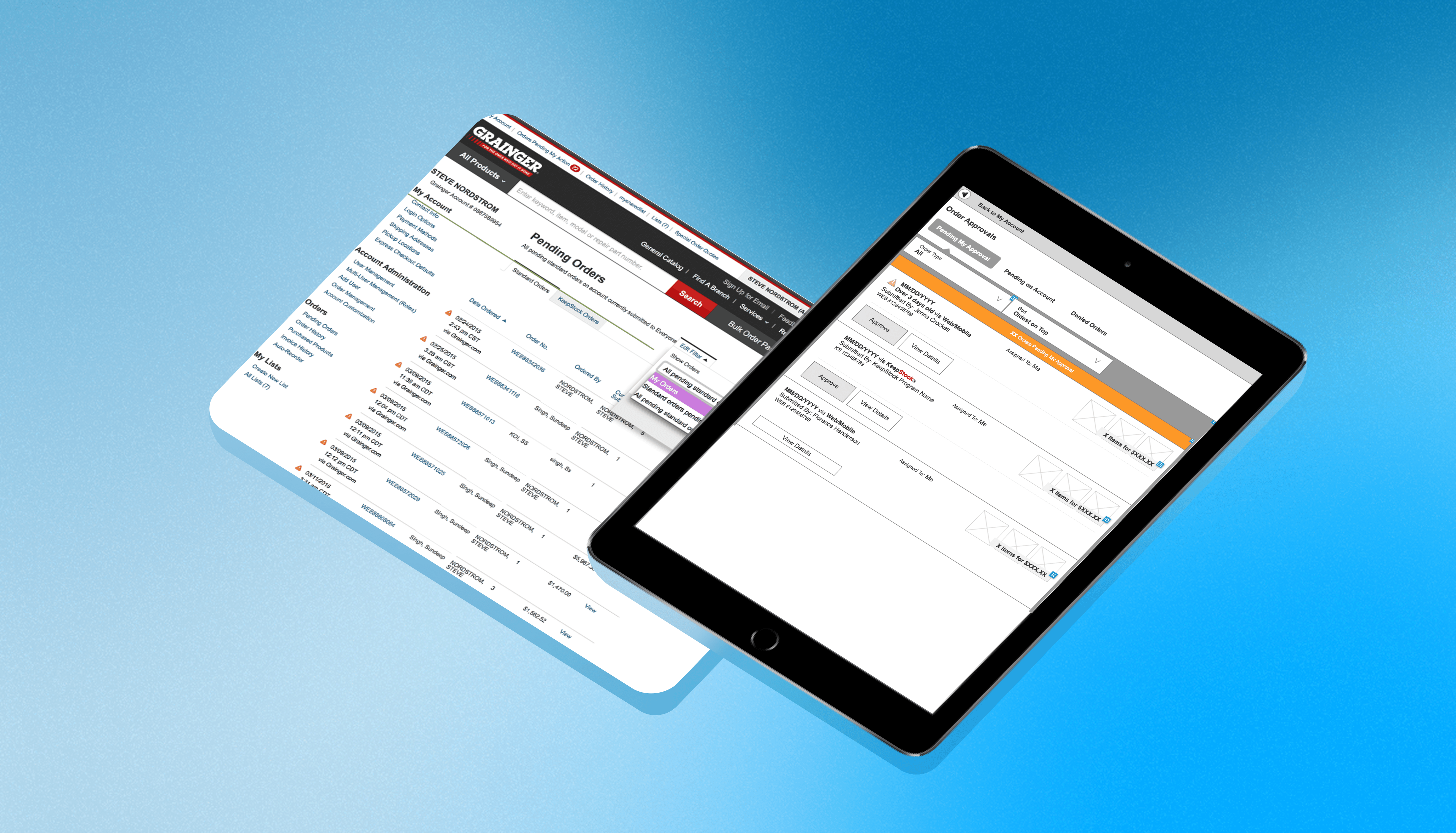
1. Tactical bottleneck in which managers were tethered to their desks to approve urgent orders
2. Strategic gap in which customers lacked visibility into their total spend, leaving Grainger vulnerable to the emerging threat of Amazon for Business.
The Resolution
Phase 1 (Product Design)
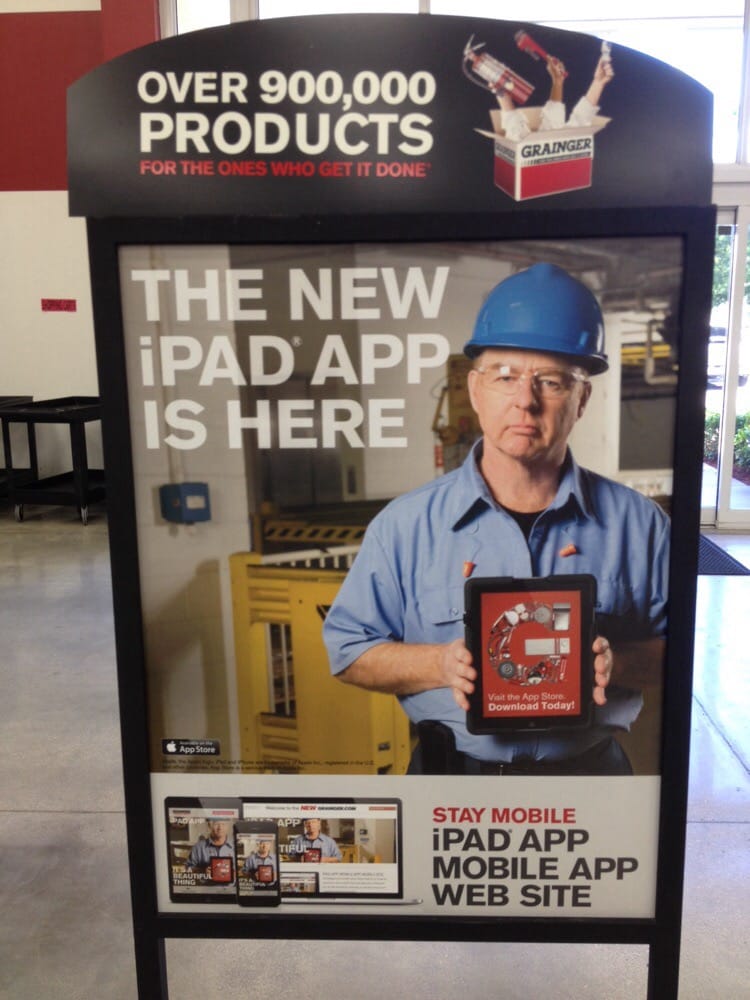
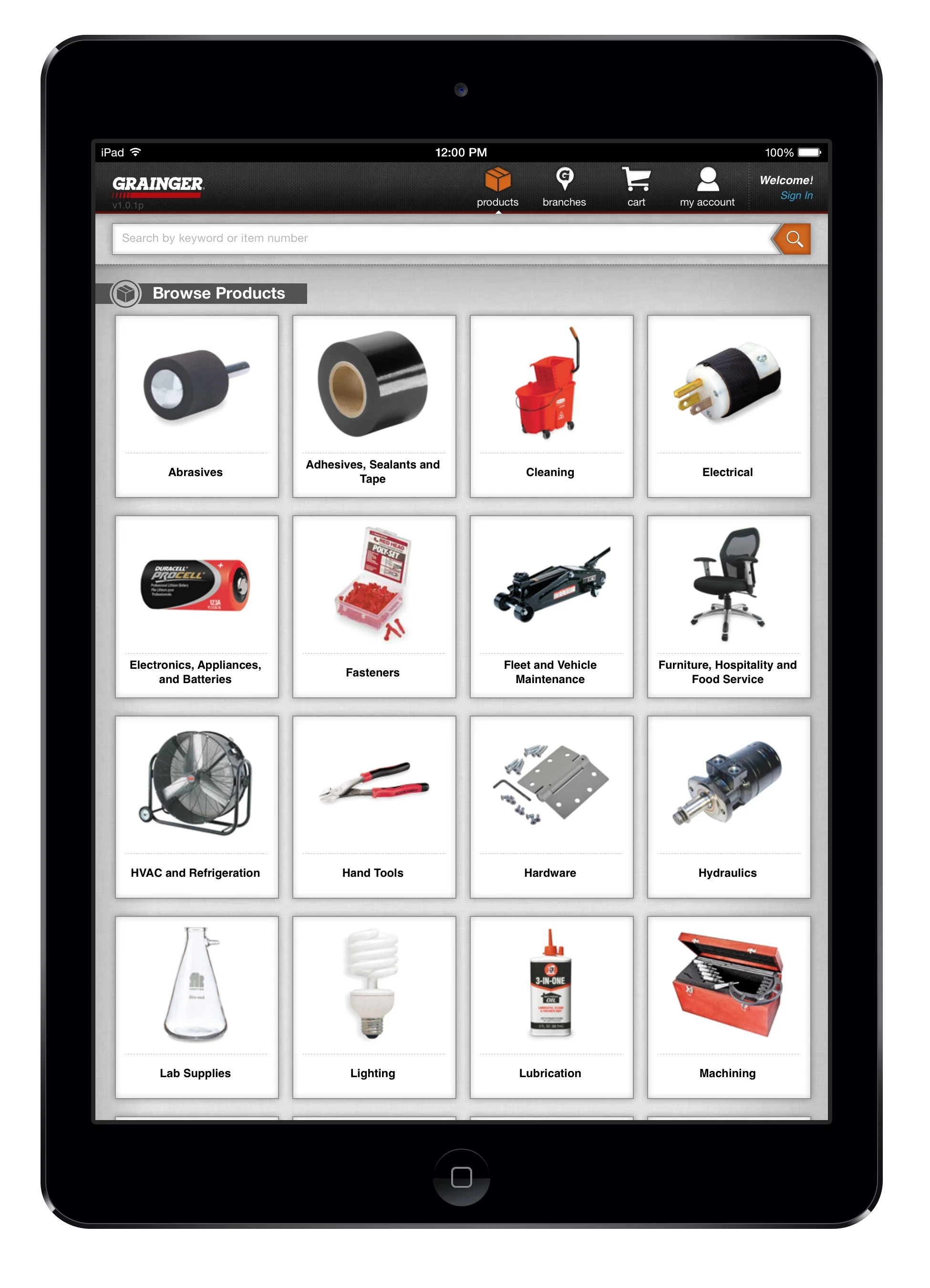
I modernized the Order Approval workflow by launching a native iPad app designed for managers on the move. We transformed a complex web interface into a mobile triage center that prioritized time-sensitive orders and facility-critical needs.
Phase 2 (UX Planning)
I moved "up the funnel" to address the lack of budget transparency. Through competitive benchmarking and user research, I defined a multi-year strategy—Plan, Spend, Track—to transform Grainger from a simple storefront into a proactive procurement partner.
Results
Phase 1: Immediate Market Success (April 2015)
4.95% Conversion Rate: The highest conversion reported across all Grainger mobile channels since January 2013.
High-Value Utility: Successfully processed 2,112 orders in the month of April 2015.
Revenue Throughput: The iPad channel demonstrated high-value utility, processing 2,112 orders with an AOV of $180 in April 2015 alone.
Phase 2: Strategic Outlook
Stakeholder Alignment: Secured executive buy-in for an 18-month roadmap by validating feature priority with 29 internal sellers.
Competitive Defense: Established a clear product "moat" against Amazon Business by pivoting the platform toward proactive budget management and contextual alerts.
Operational Scalability: Integrated complex MDM and Hybris requirements to allow for more flexible department and cost-center structures.
4.95%
Conversion Rate
2,112
Orders in April 2015
$180
Average Order Value
Phase 1 | Streamlining the Mobile Experience (UX Architect)
The Problem
Maintenance managers were tethered to their desks to approve orders, resulting in facility downtime and missed shipping cutoffs.
Core Design Solutions
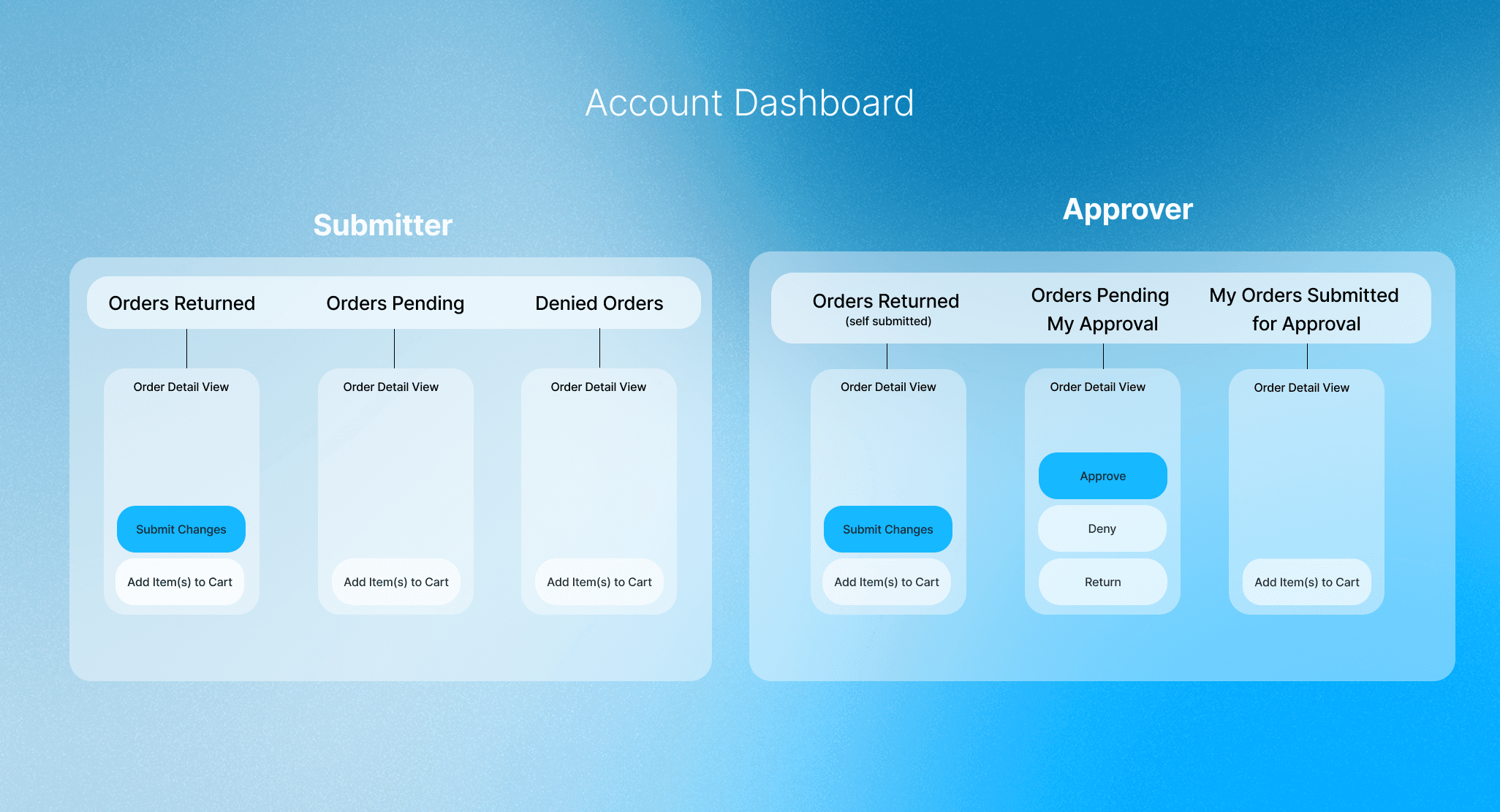
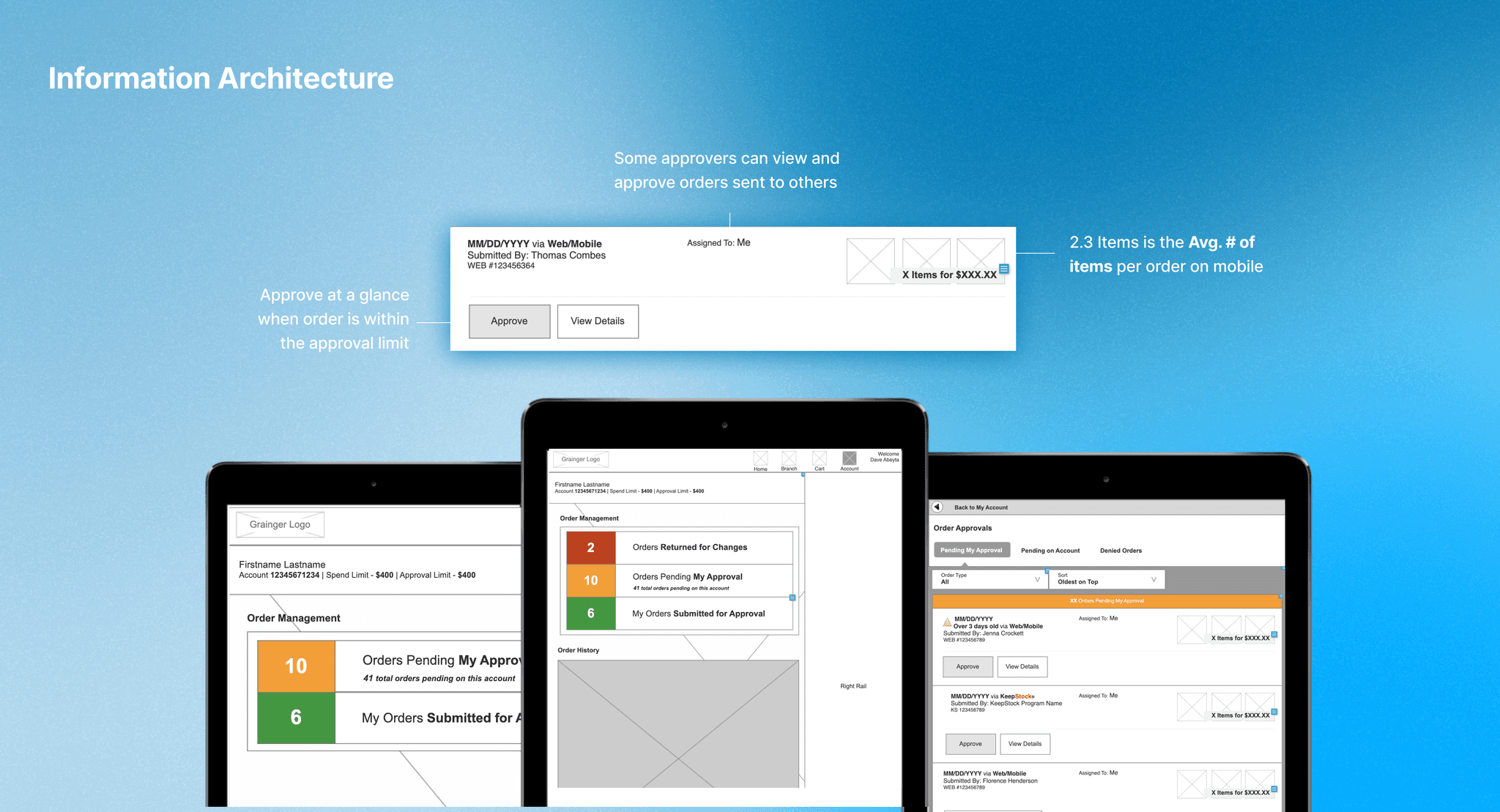
The "Smart-Priority" Dashboard: I transformed the app into a triage center. By placing Returned Orders at the top and auto-expanding them, we turned project "blockers" into immediate actions.
The Clutter Filter: I implemented conditional logic to strip away "noise." If a user had unlimited spend, budget bars were removed, focusing the eye solely on active constraints.
Order Details at a glance: I leveraged the iPad's real estate to display Budget Impact, Shipping Urgency, and Item Photos in a single pane, reducing cognitive load and speeding approvals.
The Pivot: From Tactical Lead to Strategic Partner
The success of the iPad app proved that mobility worked, but it also exposed a deeper pain point: users felt they were "flying blind" regarding their total budgets. I transitioned into a UX Planner role to move "up the funnel" and define how Grainger would manage the procurement lifecycle end-to-end.

Phase 2 | Defining the Strategic Roadmap (UX Planner)
While Phase 1 was about how they buy, Phase 2 was about why they choose Grainger over emerging competitors.
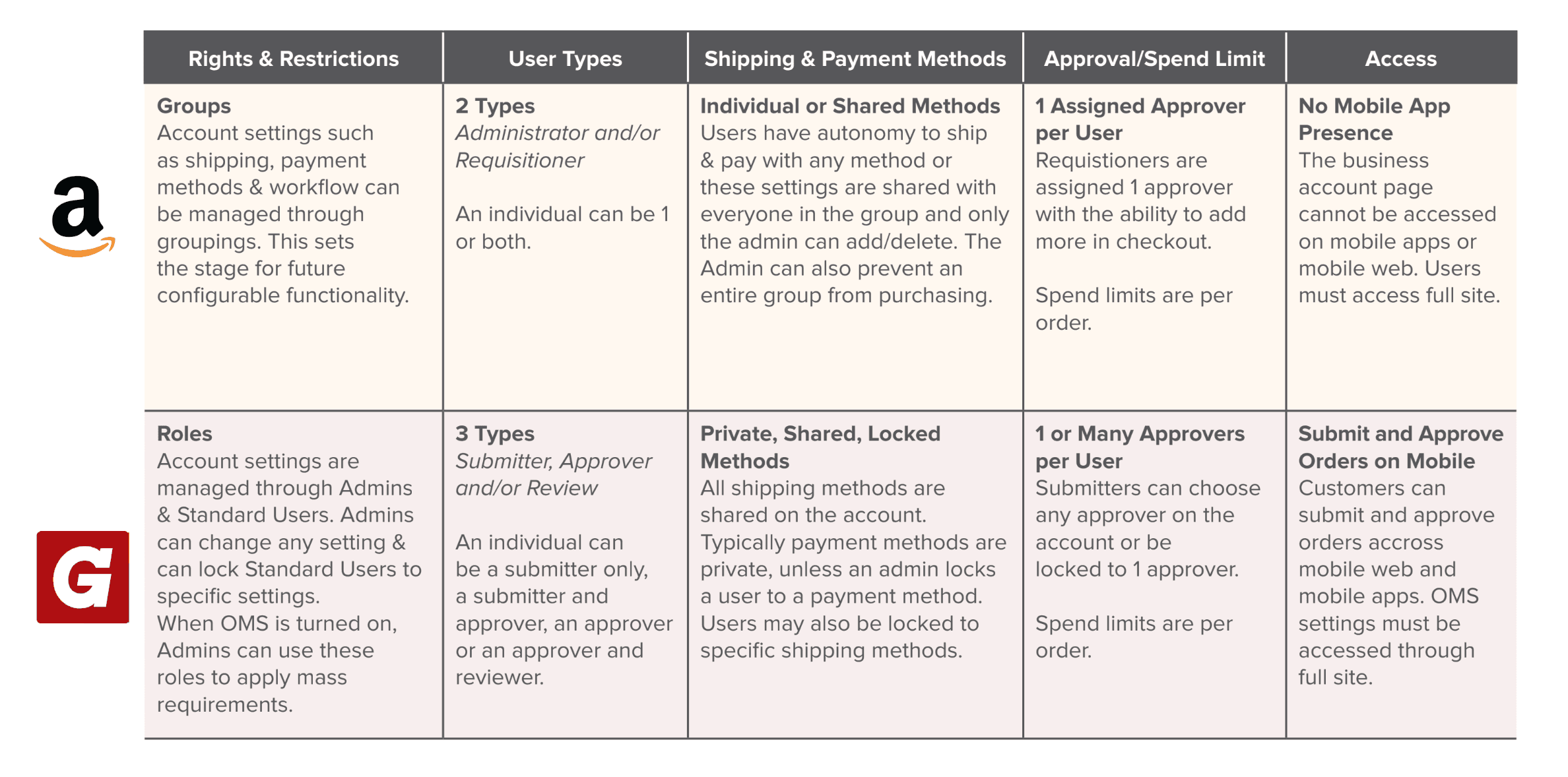
1. Competitive Intelligence: Sizing up Amazon Business
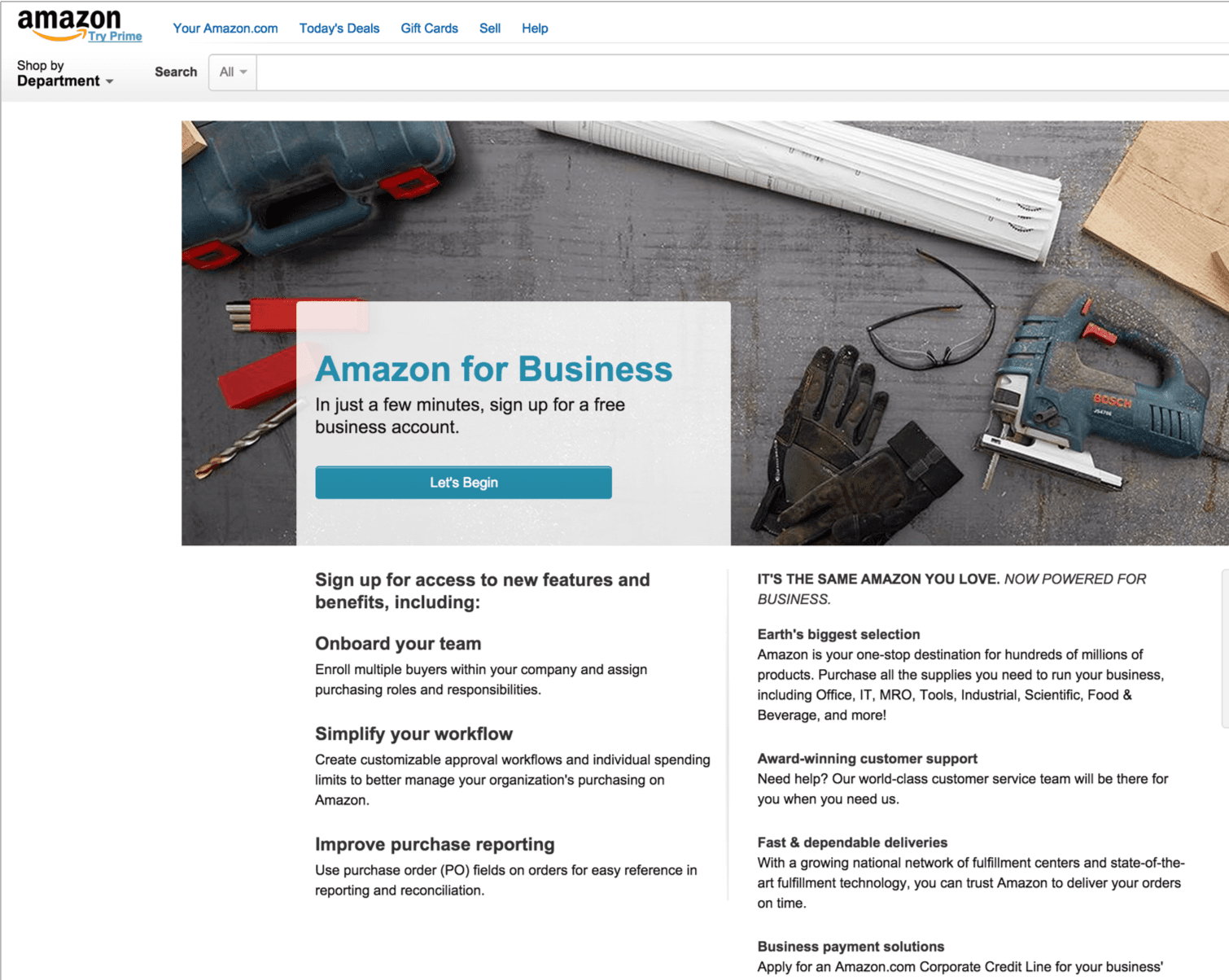
In 2015, Amazon Business was the "new entrant." I deconstructed their model to identify Grainger's defensive moat.
The Insight: Amazon excelled at a "task-focused UI" and self-service groups. I identified the introduction of "Groups" to manage users/locations as a precursor to advanced budgeting—a warning sign that they were building infrastructure for complex B2B hierarchies.
The Action: I recommended integrating Account Health and Budget Alerts directly into the shopping flow—transitioning Grainger from a storefront to a proactive procurement partner.
2. Research: The Seller Card Sort
To move from "intuition" to "evidence," I conducted an Optimal Sort exercise with 29 Grainger sellers to prioritize 19 proposed features.
The Finding: Visibility of "Spent vs. Remaining Budget" was the #1 customer priority.
The Action: This data gave me the leverage to move Automated Budget Triggers to the top of the roadmap, ensuring we built what the market—not just the internal team—demanded.

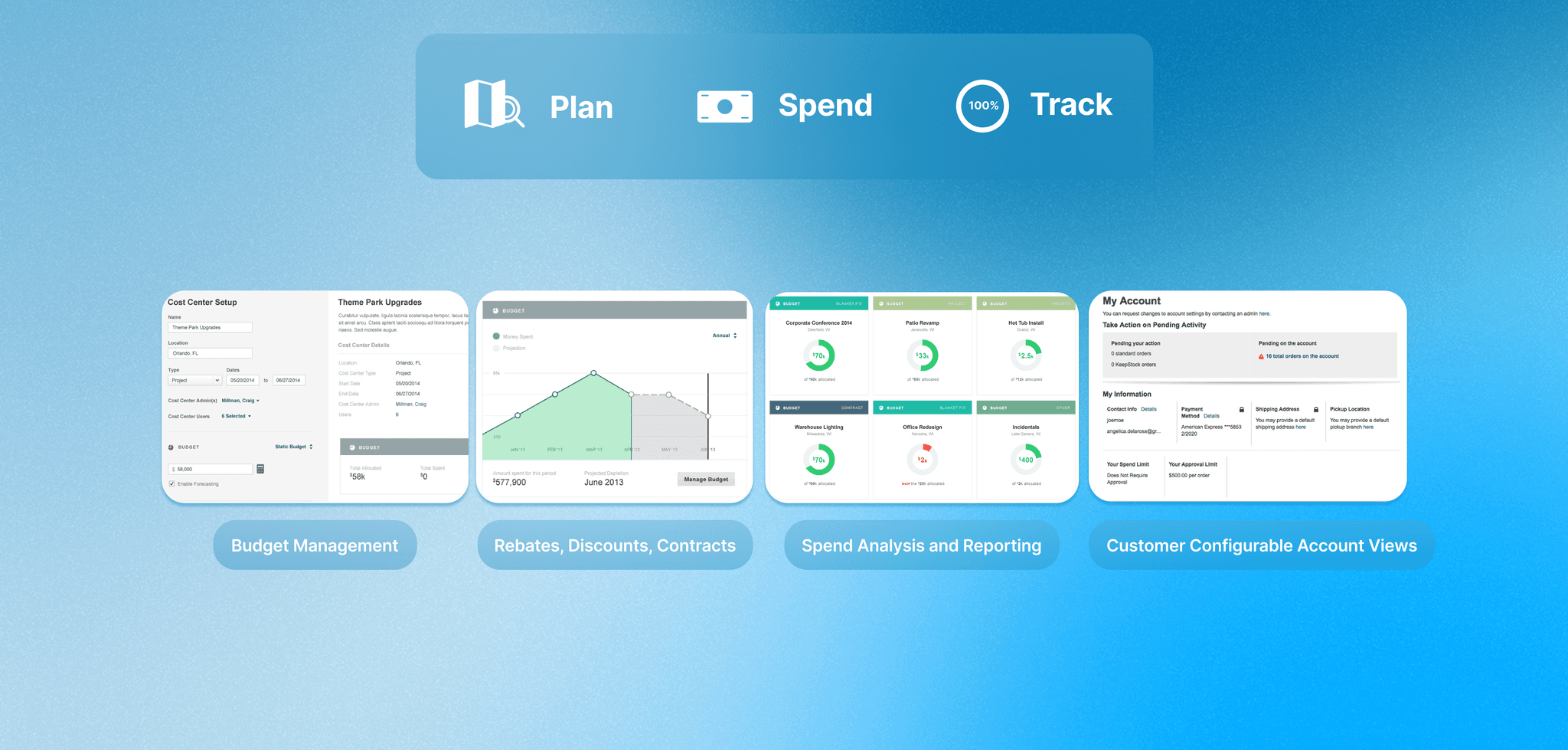
3. The Vision: "Plan, Spend, Track"
I synthesized these insights into an 18-month roadmap that served as the North Star for the organization:
PLAN
• Next-Gen Order Management
• Flexible cost centers and department hierarchies
SPEND
• Contextual Messaging
• Real-time alerts to prevent budget deviations before they happen
TRACK
• Spend Analysis
• Role-specific reporting hubs to identify remedial actions
Conclusion | Bridging Craft & Strategy
My work at Grainger represents the duality of my approach as a product professional. I take pride in the craft of design—building high-performance tools like the iPad app that solve immediate human problems. At the same time, I look beyond the screen to design the future of industrial procurement by architecting long-term strategies that keep a business competitive.
I thrive in environments that require this full-spectrum thinking—delivering seamless user experiences today while building the roadmap for where the industry is headed tomorrow.
Reflection | Lessons Learned
Design for the Environment, Not Just the Screen
Desktop users have time to browse, but mobile users are usually in the middle of a problem. We replaced complex web workflows with a "triage-first" design, allowing managers to clear order bottlenecks directly from the warehouse floor.
Data is the Best Stakeholder Tool
Shifting to a strategic role required a shift in communication. Using Optimal Sort data from 29 sellers transformed the roadmap from a subjective "wish list" into a validated business plan that executives could confidently back.
Moving from Transactional to Strategic
Long-term growth comes from being more than just a storefront. By designing for spend transparency, we evolved Grainger into a strategic partner—creating a data-driven relationship that made it much harder for customers to switch to a competitor.